Trending...
- Building a Multi-Domain Autonomous Systems Platform at the Intersection of AI, Defense and Infrastructure: VisionWave Holdings (N A S D A Q: VWAV)
- Raleigh Emerges as a Key Player in Sustainable Fashion Innovation for 2026
- Lawsuit Filed Against Boeing Over Defective Seat Switch on Boeing 787
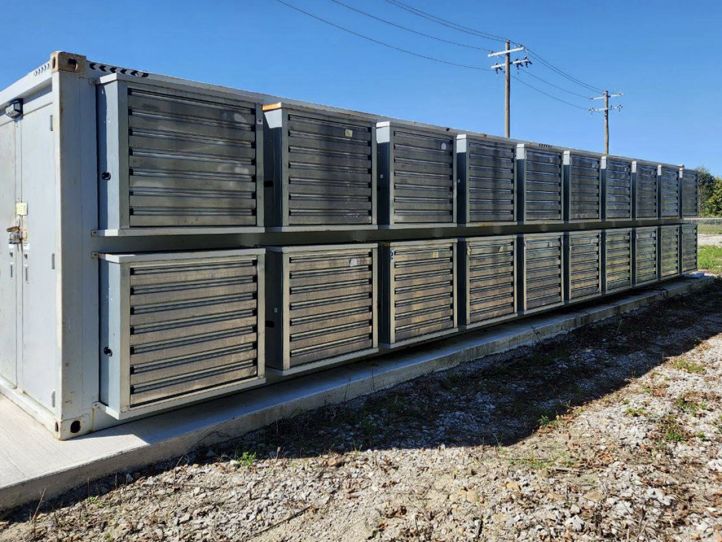

Modular container data centers are reshaping how cryptocurrency mining operates.
BAY AREA, Calif. - AussieJournal -- Inside Bitcoin Mining: The Containers Powering a Global Network
Over the last decade, Bitcoin has evolved from an obscure internet experiment into a global digital asset. While most people track price swings or market headlines, few see the physical infrastructure that keeps the network running behind the scenes: mining.
Bitcoin mining has grown from a hobby conducted on personal computers into a large-scale industrial operation. As the network expanded, efficiency, power availability, and operating costs became the dominant factors shaping where and how mining takes place. One solution increasingly adopted by operators is containerized infrastructure—repurposed shipping containers designed to house specialized mining equipment.
These containerized facilities offer a fast and flexible way to deploy mining operations wherever reliable electricity is available.
What Bitcoin Mining Actually Does
Bitcoin mining is the process that verifies transactions and secures the blockchain network. When someone sends Bitcoin from one digital wallet to another, the transaction must first be validated by a decentralized network of computers.
Thousands of transactions are grouped into blocks. Specialized machines known as miners compete to verify those blocks by solving complex cryptographic problems. Once a block is verified, it is added to the blockchain, and the miners receive a reward consisting of newly issued Bitcoin and transaction fees.
More on Aussie Journal
This process requires significant computing power, which consumes large amounts of electricity and produces substantial heat. As mining scaled globally, operators began searching for infrastructure that could support high-density computing while remaining cost-efficient and adaptable.
Why Containers Are Used for Mining
Shipping containers have become a practical solution for housing mining equipment because they are modular, transportable, and relatively quick to deploy.
Scalability is one of the biggest advantages. Instead of constructing large permanent facilities, operators can start with a single container and expand incrementally by adding more units as demand grows. Containers can be arranged side by side or stacked, creating a flexible infrastructure that grows alongside the operation.
Mobility is another major factor. Mining operations often follow access to inexpensive electricity. Containerized systems allow operators to relocate equipment to regions with more favorable energy costs or regulatory conditions, something traditional data center buildings cannot easily accommodate.
Cooling and airflow also play a critical role. Mining machines run continuously and generate large amounts of heat. Container systems are typically designed with high-volume ventilation, using industrial fans to pull cool air in and push hot air out. Some operations also incorporate evaporative cooling systems to further reduce internal temperatures while minimizing energy use.
More on Aussie Journal
A New Layer of Infrastructure
A typical 40-foot mining container can support roughly 1 to 1.5 megawatts of electrical load and house hundreds of specialized machines. To operate safely and efficiently, these units rely on industrial-grade electrical systems, including three-phase power, power distribution units, and carefully designed rack layouts that maintain airflow between machines.
As Bitcoin continues to mature, the infrastructure supporting it is evolving as well. Containerized mining facilities illustrate how the industry is adapting to the demands of large-scale computing while maintaining flexibility in a rapidly changing energy and regulatory landscape.
What began as a decentralized financial experiment is now supported by a global network of highly specialized infrastructure—often hidden inside rows of steel containers working around the clock.
To read the full story, click here: https://www.conexwest.com/blog/hidden-infrastructure-behind-bitcoin-shipping-containers
About Conexwest
Conexwest is a U.S.-based supplier of shipping containers and container modifications serving commercial, industrial, and infrastructure projects across North America. The company provides new and used shipping containers along with customized container solutions designed for storage, mobile offices, modular facilities, and specialized infrastructure such as data processing environments and equipment housing.
Learn more at: https://www.conexwest.com
Over the last decade, Bitcoin has evolved from an obscure internet experiment into a global digital asset. While most people track price swings or market headlines, few see the physical infrastructure that keeps the network running behind the scenes: mining.
Bitcoin mining has grown from a hobby conducted on personal computers into a large-scale industrial operation. As the network expanded, efficiency, power availability, and operating costs became the dominant factors shaping where and how mining takes place. One solution increasingly adopted by operators is containerized infrastructure—repurposed shipping containers designed to house specialized mining equipment.
These containerized facilities offer a fast and flexible way to deploy mining operations wherever reliable electricity is available.
What Bitcoin Mining Actually Does
Bitcoin mining is the process that verifies transactions and secures the blockchain network. When someone sends Bitcoin from one digital wallet to another, the transaction must first be validated by a decentralized network of computers.
Thousands of transactions are grouped into blocks. Specialized machines known as miners compete to verify those blocks by solving complex cryptographic problems. Once a block is verified, it is added to the blockchain, and the miners receive a reward consisting of newly issued Bitcoin and transaction fees.
More on Aussie Journal
- Training Lofts Launches $1,099 Unlimited Training Membership Featuring Semi-Private Coaching, Nutrition Support, and Recovery Services
- American Properties Realty, Inc. Leadership Attends NAHB International Builders' Show in Florida
- $317M Revenue and a Clear Path to $1B: $IQST is Positioned for a Major Profitability Inflection
- ASI Hosts 2026 Executive Business Summit for Global Partner Community
- Defyn Named Finalist in Web Development Category for Small Business
This process requires significant computing power, which consumes large amounts of electricity and produces substantial heat. As mining scaled globally, operators began searching for infrastructure that could support high-density computing while remaining cost-efficient and adaptable.
Why Containers Are Used for Mining
Shipping containers have become a practical solution for housing mining equipment because they are modular, transportable, and relatively quick to deploy.
Scalability is one of the biggest advantages. Instead of constructing large permanent facilities, operators can start with a single container and expand incrementally by adding more units as demand grows. Containers can be arranged side by side or stacked, creating a flexible infrastructure that grows alongside the operation.
Mobility is another major factor. Mining operations often follow access to inexpensive electricity. Containerized systems allow operators to relocate equipment to regions with more favorable energy costs or regulatory conditions, something traditional data center buildings cannot easily accommodate.
Cooling and airflow also play a critical role. Mining machines run continuously and generate large amounts of heat. Container systems are typically designed with high-volume ventilation, using industrial fans to pull cool air in and push hot air out. Some operations also incorporate evaporative cooling systems to further reduce internal temperatures while minimizing energy use.
More on Aussie Journal
- Defyn Launches Innovative Website Design and Development Services to Help Businesses Thrive Online
- First Pivot & Sweet Tooth Marshmallows Partner to Bring Entrepreneurship Into Australian Classrooms
- Pastor Saeed Abedini Releases THE TRUTH – Volume 1, A Deeply Personal Story of Faith, Struggle, and Redemption
- New Book Warring From the Standpoint of the Throne Room Calls Believers to Pray From Victory
- Scotch Whisky Market Dislocation Creates Compelling Entry Opportunity for Long-Term Investors
A New Layer of Infrastructure
A typical 40-foot mining container can support roughly 1 to 1.5 megawatts of electrical load and house hundreds of specialized machines. To operate safely and efficiently, these units rely on industrial-grade electrical systems, including three-phase power, power distribution units, and carefully designed rack layouts that maintain airflow between machines.
As Bitcoin continues to mature, the infrastructure supporting it is evolving as well. Containerized mining facilities illustrate how the industry is adapting to the demands of large-scale computing while maintaining flexibility in a rapidly changing energy and regulatory landscape.
What began as a decentralized financial experiment is now supported by a global network of highly specialized infrastructure—often hidden inside rows of steel containers working around the clock.
To read the full story, click here: https://www.conexwest.com/blog/hidden-infrastructure-behind-bitcoin-shipping-containers
About Conexwest
Conexwest is a U.S.-based supplier of shipping containers and container modifications serving commercial, industrial, and infrastructure projects across North America. The company provides new and used shipping containers along with customized container solutions designed for storage, mobile offices, modular facilities, and specialized infrastructure such as data processing environments and equipment housing.
Learn more at: https://www.conexwest.com
Source: Conexwest
0 Comments
Latest on Aussie Journal
- CCHR: CIA Mind-Control Files Raise Urgent Questions as Millions Take Psychotropic Drugs
- NRx Pharmaceuticals Launches Breakthrough One-Day Treatment Clinic in Florida as FDA Pathway and Clinical Data Strengthen Growth Outlook; $NRXP
- Revenue Optics Launches Talent Infrastructure Platform for SaaS Revenue Hiring and Appoints Sabz Kaur to Lead Growth
- Building a Multi-Domain Autonomous Systems Platform at the Intersection of AI, Defense and Infrastructure: VisionWave Holdings (N A S D A Q: VWAV)
- Bent Danholm Named "Top Luxury Real Estate Leader" in Modern Luxury Miami
- Author Ken Mora to Celebrate New Caravaggio Book Debut with Special Event at Palazzo Venezia Naples
- KiwiQA Launches KiwiQA.AI — A New Website
- Brisbane Hair Artisan Launches Year-Long Public Education Project to Challenge Hair Industry Myths
- Locale Homes launches "Locale Legend" campaign to celebrate everyday heroes in the community
- How Often Should You Service Your Home Air Conditioner?
- Simply Draft Launches Comprehensive 2026 Deck Approval Guide for Wollongong Homeowners
- Matthew Sisneros Releases Raw and Unfiltered Memoir: The Devil Lost Another One — A Powerful Story of Crime, Consequence, and Redemption
- From Life to Light: Jess L. Martinez Shares a Soulful Poetry Collection That Explores What It Means to Be Human
- Noizend Releases White Paper Calling for Environmental Noise to Be Treated as a Systemic Public Risk
- Knose Pet Insurance Named Official Pet Insurance Partner of National Trail Run With Your Dog Day
- Lawsuit Filed Against Boeing Over Defective Seat Switch on Boeing 787
- Quadcode Acquires Significant Stake in Game 7, LLC - The Parent Company for FPFX Tech and PropAccount.com
- Danholm Collection Announces Sale of 16689 Broadwater Ave in Winter Garden, Highlighting Strong Performance in Twinwaters Community
- Strong Clinical Results for Breakthrough Liver Diagnostic Platform; ENDRA Life Sciences (N A S D A Q: NDRA) $NDRA
- 46th International Symposium On Forecasting – Dates, Venue And Speakers Announced